Ever wondered why certain brands are valued and recognized over others? Is it shrewd marketing or quality manufacturing that helps these products stand out as luxuries? Does public opinion play a role in conveying quality and brand influence, in addition to making individuals feel special? By understanding how luxury brands can impact an individual’s emotions and feelings of self worth, it becomes more apparent that the true value of luxury brands shouldn’t only be reflected in just the price.
Creating a luxury brand is notably different from bringing a standard product to market. The book The Luxury Strategy by Vincent Bastien and Jean-Noel Kapferer, both Professors of Marketing from The University of Paris HEC describes how they applied this strategy in their work with the luxury brand Louis Vuitton. The luxury brand industry originated in Europe in the 1800’s where there were a handful of very small, exclusive brands that were accessible to only the wealthy and powerful. Elite consumers bought into the belief that luxury goods were better-crafted and more aesthetically pleasing than ordinary goods. However, much of the luxury brands’ success could be credited to the unique business strategies formulated and used since the 1800’s. These strategies for how to create a luxury brand are 1) establishing heritage or exotic origins 2) producing only limited quantities 3) ensuring the product is current or fashionable and 4) applying the “premium strategy” or the concept of if you pay more, you get more. By designing and marketing products with these attributes, they begin to carry on the mystique of what constitutes a “luxurious” item.
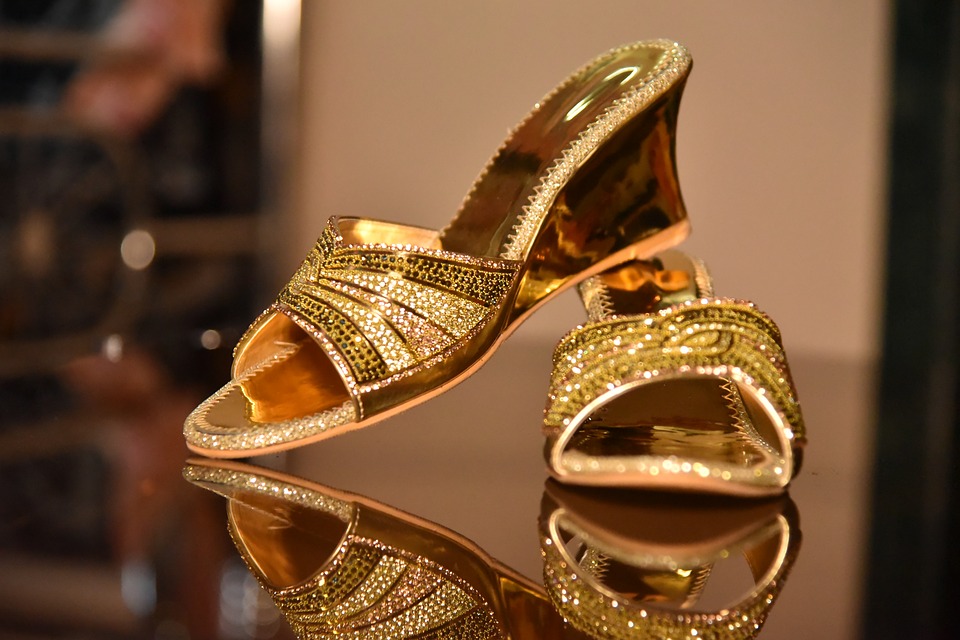
Luxury items are meant to be the antithesis of the ordinary by being well-made and captivating. A Forbes Magazine article noted that ten factors can be attributed to a company being deemed as a luxury brand. These factors are: superior performance, craftsmanship, exclusivity, innovation, place or time, sophistication and aesthetic, creative expression, relevance, heritage and responsibility. Without these ten elements, a brand is unlikely to obtain the title of being luxurious, or attract customers with an expensive price tag.
When a product is at “superior performance” it means that it’s made from the absolute best materials available. This would include: fabrics like top grain leather, or wool–hand stitched by an expert. Non-luxury brands cannot produce this same level of quality, as they cannot justify covering the cost by setting their products at lower price points. Craftsmanship also refers to engaging with buyers and creating a product with utmost care or making a product long-lasting through traditional or specialized methods. Thus, the consumers receive a high-quality item that is well worth the price they pay, due to the attention to detail of each piece. The exclusivity factor is a major part to making brands luxurious, as the product is meant to give the consumers a unique experience and allows them to feel part of an exclusive community when owning such one-of-a kind items. Innovation is self-explanatory, as it’s meant to present a new idea or experience to customers– a key factor to a luxury brand. A sense of place and time, also known as a design or element that gives the product a timeless feel is also an attribute, as its design shouldn’t be too “trend oriented”. It should maintain its iconic pattern or feature, and simply improve the design over the years. For example, Burberry has released color variations of their well-known plaid pattern, or the Porsche 911 that has maintained a similar appearance since 1963. Incorporating a design motif makes for easy brand marketing, and allows instant recognition. For instance, Louis Vuitton’s iconic initials, LV, or the robin’s egg blue trademarked by Tiffany & Co. This can also be tied to the creative expression element, as it intrigues potential buyers and especially appeals in an artistic manner. Just because a product is expensive, doesn’t mean it’s aesthetically-pleasing. In order to capture consumers, it must be eye-catching. Relevance in expression is also important, because it can help connect how people want to be perceived and lifestyles they want to be equated to, which ultimately speaks for the consumer. Heritage or origin is also a factor, because if there’s a fascinating history behind it, it gives the customer provenance. Lastly, responsibility is a contributor, because it creates a personal connection between the customer and brand. This factor leaves a lasting impression on the brand itself, and reinforces the consumer’s belief in quality. For instance, Yves Saint Laurent, Hermes, and Louis Vuitton allow up to thirty-days for order cancellations, exchanges as well as the “entitled refund”, even with missing tag, if the products are damaged, or did not fully satisfy the customer. This policy differs from chain stores, like Forever 21, that have stricter policies–such as returning clothes that are in pristine, sell-able condition, with tags and original packaging. Discount chain stores don’t give their customers an opportunity to enjoy the experience of owning the products, because they don’t have the luxury of doing so. Luxury brands on the other hand, allow the customer to test drive their products and see how it makes them feel. Therefore, luxury brands seem more worth the money–since it gives the customer an opportunity to capture the emotional aspect of owning the luxury item, backed by the company’s guarantee that the consumer will love the product or can return it if they don’t. However, the most distinct way luxury brands differentiate themselves would be through their marketing tactics and sales strategies.
 mallorys.fashion.blog