After Forever 21 closing a large percentage of their locations, the question remains: “Is fast fashion a dying industry?” This can be a detrimental thing to those of the lower-class, but it remains a positive thing for our environment and the general health of the planet.
To begin, what is fast fashion? Fast fashion gets its name from the fast production and ability to deliver clothes quickly from sweatshops to the hangers at the store. However, there are many concerns that pertain to the fast fashion industry, including: how ethical it is, and how it drastically affects the environment.
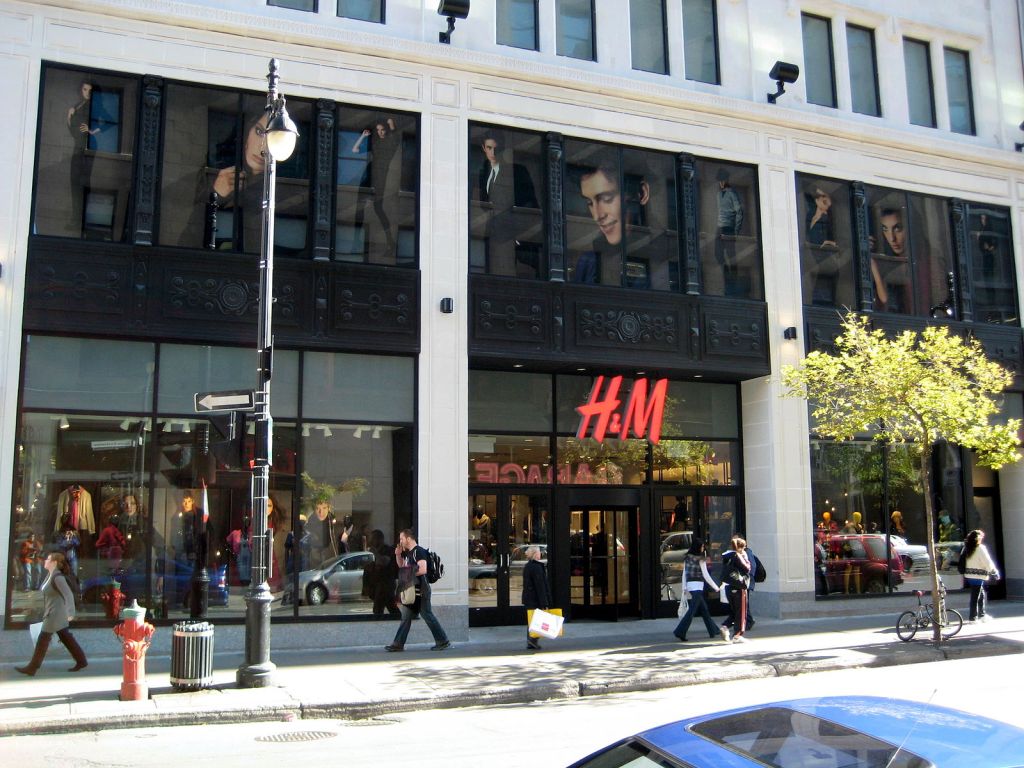
Fast fashion is considered to be one of the biggest industries contributing to the Pacific garbage patch, along with being one of the biggest things ending up in waste. Why are we putting money towards clothes that eventually end up in waste? Well, fast fashion begins in the sweatshops, whether that’s in China or even Los Angeles. Here, workers dedicate hours to stitching and producing the “hottest” clothes of the season, but do it for little pay. However, with “fast fashion” getting its name for quickly producing the biggest trends–it isn’t constructed well. However, fast fashion runs on generating money–so the profit is what is being focused on. Places like H&M and Forever21 fully emphasizes on bringing out the trendiest clothes, for a low price, and for low quality to match that price.
However, millennials and Gen Z kids alike, they began the trend of going to hole-in-the-wall boutiques and thrift stores for clothes. By shopping at smaller retailers, it helps support small businesses, and by going to Salvation Army or any thrift store–it ultimately saves clothes from ending up in the trash and they know they are paying for clothes that last, based on the idea that these clothes are passed down from someone else. In years to come, we will hopefully see changes in how fashion is produced and will one day free the sweatshop workers from such labor intensive work for low pay, and will clear up the damage caused to our environment through fast fashion and the amount of plastic and waste brought from the industry.
All in all, the future looks bright in terms of steering away from fashion being “quick” and “ready to buy” following the trends. Perhaps if we encourage the shift from cheaply made clothes, to better made clothes at the same price–with a guarantee to last longer through thrifting, we are making a positive impact on our planet both in a humane and environmental way.
 mallorys.fashion.blog